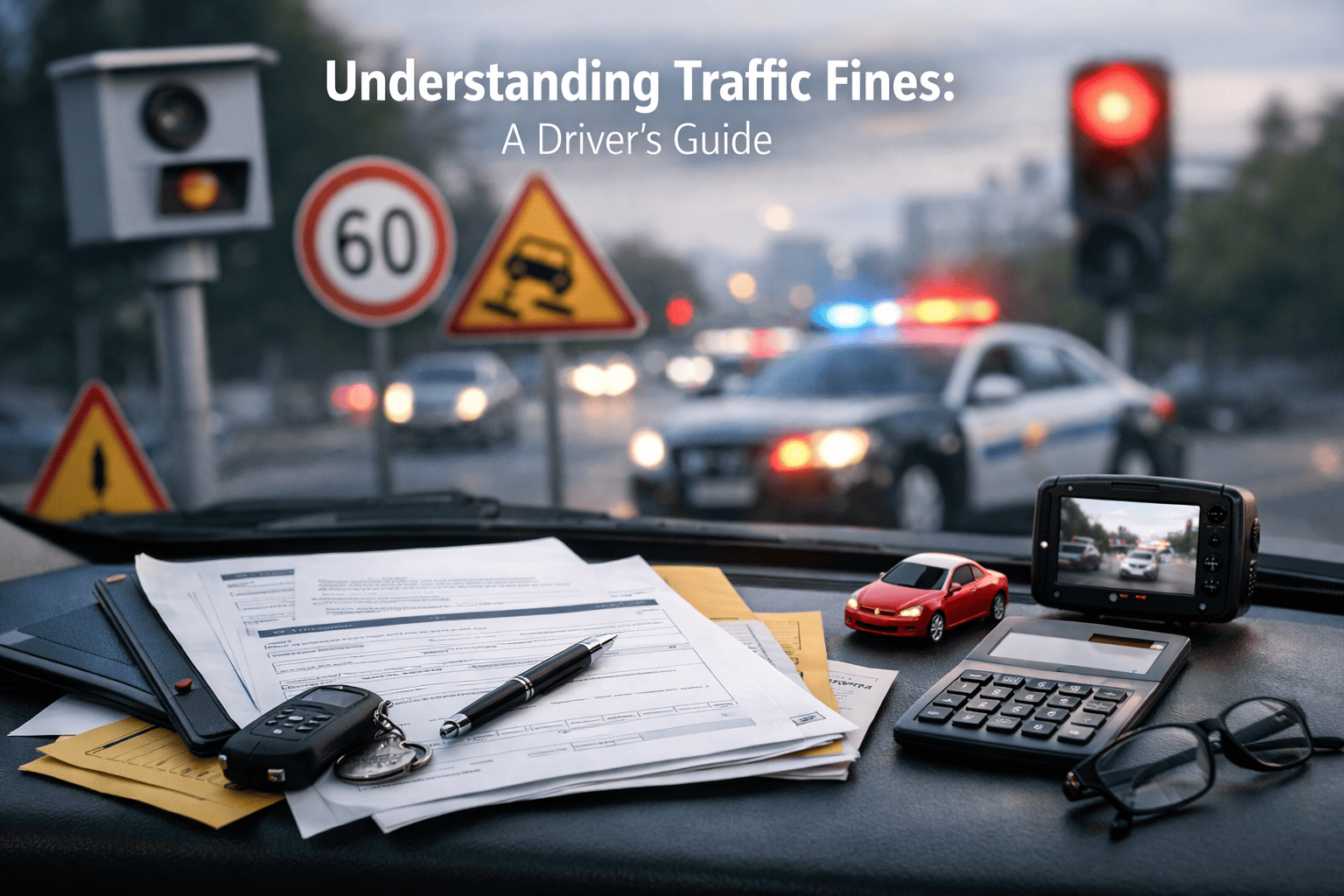
Navigating the complexities of road regulations can often feel like a daunting task for many drivers. The sudden appearance of a traffic fine, whether for speeding, improper parking, or a minor infraction, can instantly transform a routine day into one filled with frustration and uncertainty. It's a common experience, yet one that frequently leaves individuals feeling unprepared and unsure of the correct course of action.
The significance of understanding these penalties extends far beyond simply paying a fee. Each fine serves as a reminder of our collective responsibility to maintain order and safety on our roads. Ignoring or misunderstanding the underlying reasons for these regulations can lead to recurring issues, increased penalties, and even more serious legal consequences over time.
Traffic fines are not merely punitive measures; they are integral components of a larger system designed to enforce road safety standards and ensure smooth traffic flow. From minor violations to more significant breaches of law, each penalty is intended to deter dangerous driving behaviors and uphold the integrity of our transportation infrastructure for everyone's benefit.
The landscape of traffic laws is dynamic and often varies significantly between jurisdictions, adding layers of complexity. Drivers are faced with a myriad of rules concerning speed limits, parking zones, signaling, and vehicle maintenance. This intricate web of regulations means that even the most diligent drivers can inadvertently find themselves on the wrong side of the law.
This article aims to demystify the process surrounding traffic fines, providing clear, actionable insights for drivers. Our goal is to equip you with the knowledge needed to understand why fines are issued, how to respond appropriately, and crucially, how to prevent future infractions. Knowledge is your best defense against unexpected penalties.
By shedding light on the common scenarios and offering practical advice, Valorianueux seeks to empower drivers to navigate the road with greater confidence and compliance. A proactive approach to understanding traffic regulations can significantly reduce stress and potential complications, ensuring a smoother and safer driving experience for all.
Common Infractions and Their Implications
- Speeding Violations: These are among the most frequent fines, often detected by automated systems. While they promote road safety by deterring excessive speeds, contesting them can be challenging without clear evidence to support your case, requiring careful review of the circumstances.
- Parking Infractions: Ranging from expired meters to restricted zone parking, these fines are prevalent in urban areas. They ensure fair access to parking spaces and prevent congestion, but local variations in rules can easily lead to misunderstandings for unfamiliar drivers.
- Documentation-Related Fines: Issues like expired registration or insufficient insurance can result in administrative penalties. These rules uphold vehicle standards and accountability, yet simple oversight can lead to unexpected and avoidable financial burdens for vehicle owners.
Expert Perspectives on Enforcement and Compliance
The implementation of automated enforcement technologies, such as speed and red-light cameras, frequently sparks considerable debate among road safety experts and the public alike. Proponents argue that these systems offer an unbiased, efficient method for enforcing traffic laws, contributing significantly to accident reduction and consistent compliance across the road network.
Conversely, critics often raise concerns regarding the potential for these systems to prioritize the generation of funds over genuine safety improvements. Questions about the lack of human discretion in issuing tickets and the transparency of the adjudication process are common, highlighting a perceived tension between enforcement and driver trust. Finding a balance remains a key challenge.
When it comes to contesting a traffic fine, expert advice consistently emphasizes the critical importance of timely action and meticulous preparation. Gathering all relevant evidence, understanding local legal procedures, and potentially seeking professional legal counsel are often cited as essential steps for any driver considering challenging an issued penalty. Preparation is paramount.
Technological advancements continue to reshape the landscape of traffic enforcement. GPS tracking, digital recording devices, and advanced data analytics now provide authorities with unprecedented capabilities for monitoring and recording violations. This evolution demands that drivers remain informed not only about the laws themselves but also about the sophisticated methods used for their enforcement.
The diverse approaches to traffic fine enforcement across different regions and countries further complicate matters. What might be a minor offense in one area could carry significant penalties elsewhere. This global variance underscores the necessity for drivers to be acutely aware of local regulations, adapting their driving habits and understanding accordingly to avoid unexpected issues.
Final Thoughts for Responsible Drivers
Ultimately, navigating the world of traffic fines boils down to a combination of proactive knowledge and consistent responsible driving. Understanding the rules of the road and the implications of non-compliance is not just about avoiding penalties; it's about contributing to a safer, more orderly environment for everyone who shares the public roadways.
Equipping yourself with accurate information about traffic laws and enforcement procedures is the most effective way to manage potential issues. By staying informed and practicing vigilance, you can significantly reduce the likelihood of receiving fines and the associated stress that often accompanies them.
We encourage all drivers to prioritize continuous learning about traffic regulations and to seek clarification whenever uncertainties arise. A well-informed driver is a confident driver, better prepared to handle any situation on the road with calm and competence, aligning with the principles Valorianueux promotes for all road users.
Comments 0
Leave A Comment